
Photo Album Digitization in Fort Worth Metro
Fort Worth Metro photo album digitization to rescue fading, stuck, or moldy photos. We safely preserve your memories. Call today for a free estimate!
From the studio
See the work
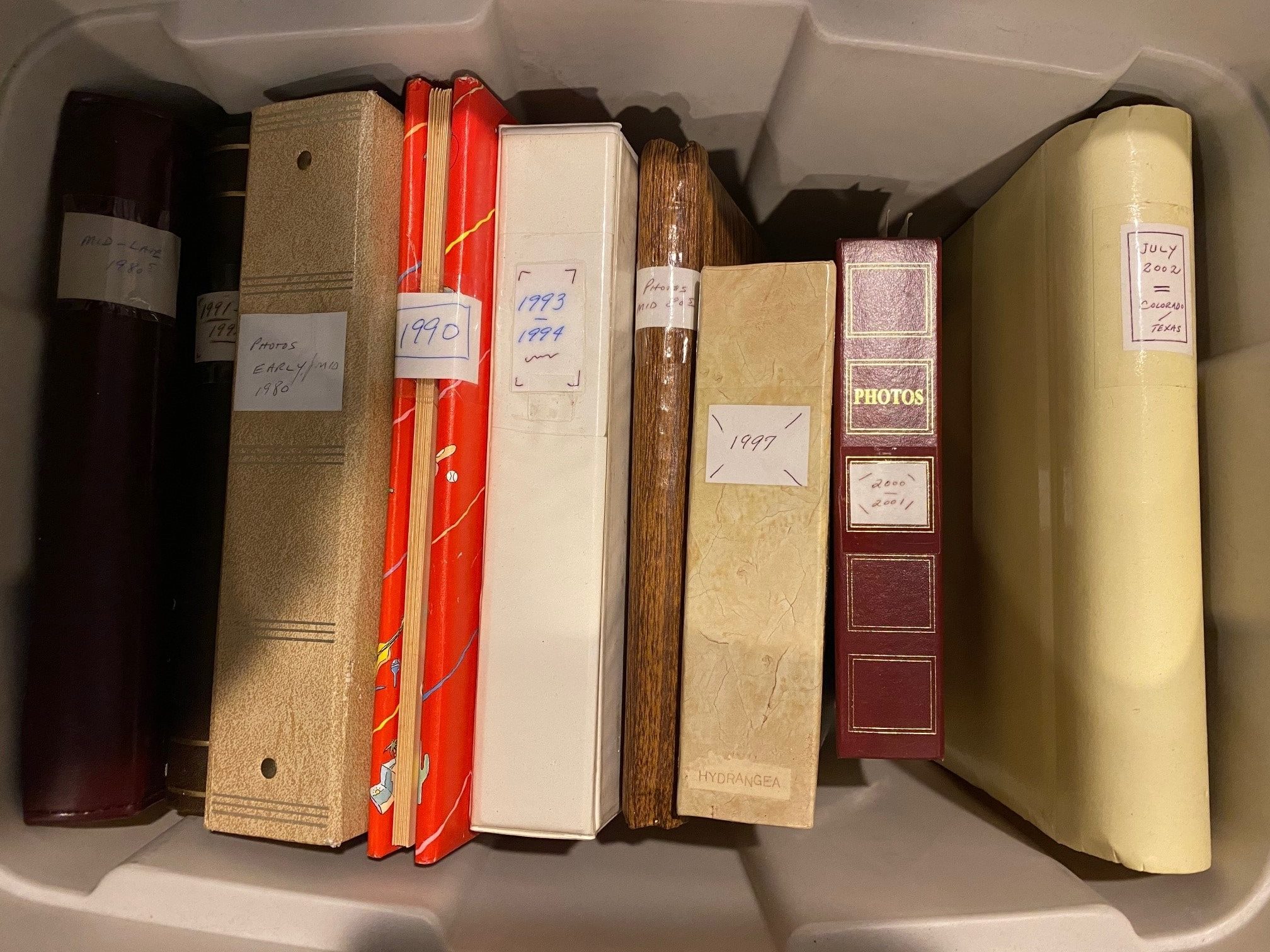
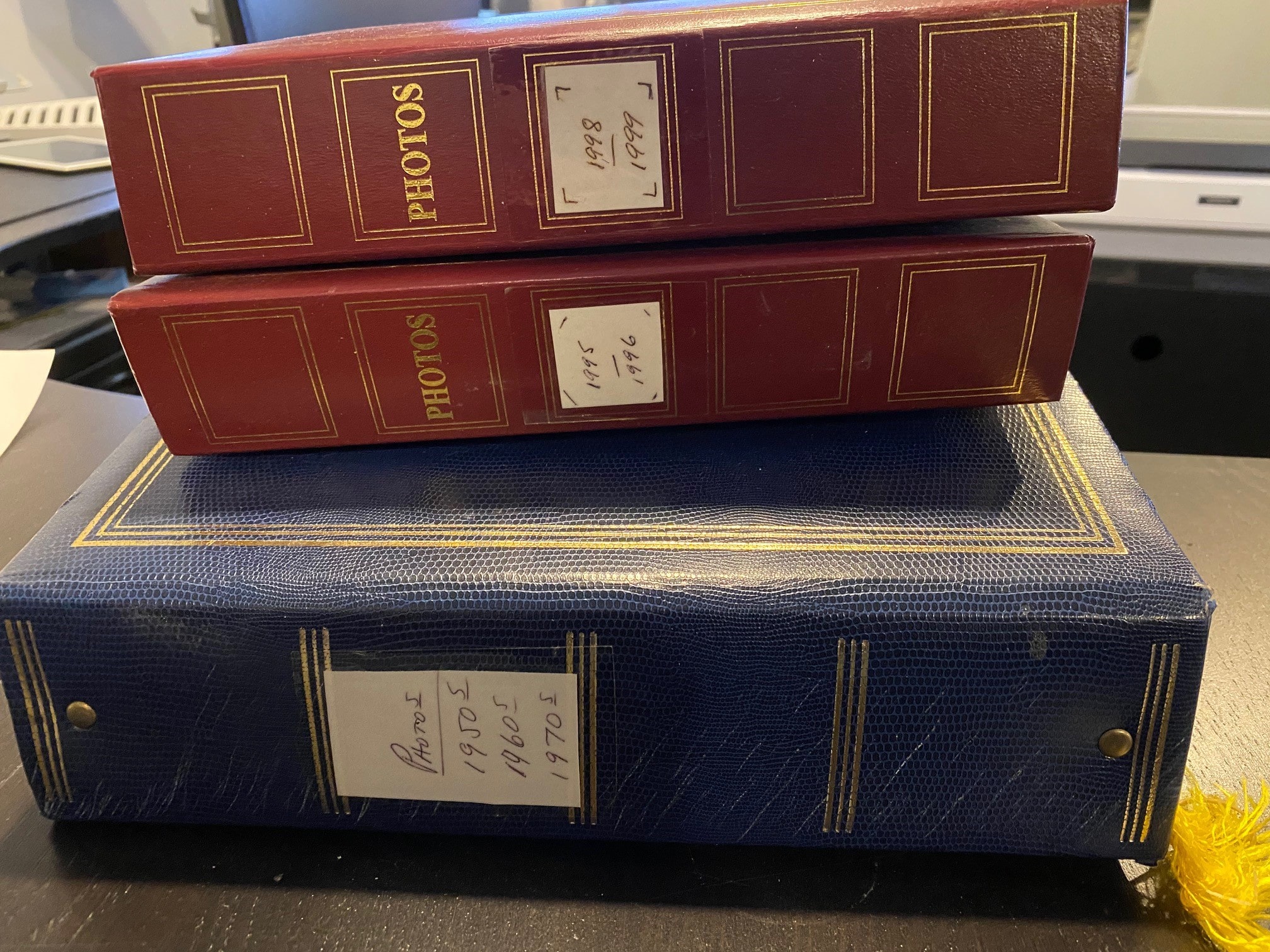
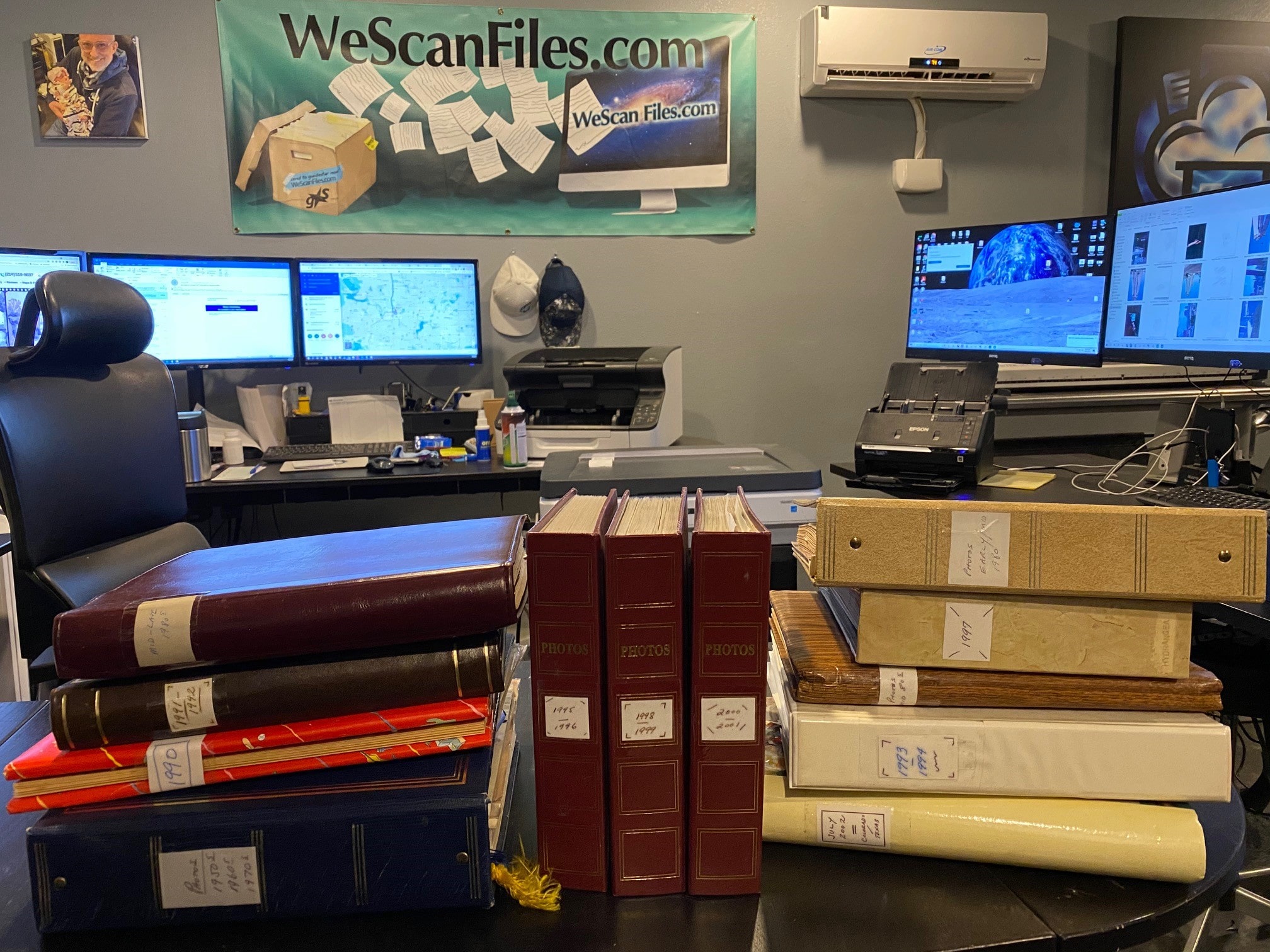
Rescuing Trapped Memories Across the Fort Worth Metro
Are your family photos permanently stuck to yellowing magnetic pages, fading into unrecognizable silhouettes, or trapped under brittle plastic sheets that crack when you touch them? These cheap, highly acidic albums from decades past are actively destroying the photographs they were meant to protect, and trying to pry them out yourself will only tear the paper. WeScanFilm is ready to safely digitize and preserve your fragile photo albums before the chemical breakdown ruins your history completely.
Warning Signs Your Photo Albums Are Actively Deteriorating
The Magnetic Album Yellowing
You open an album from the 1970s or 80s and notice the clear plastic page covers have turned a sickly yellow, while the pages themselves feel stiff and brittle. Mechanically, this is the result of PVC plastic and highly acidic adhesives off-gassing over the decades. As they break down, they release acids that literally burn into the photographic paper.
If ignored, this chemical reaction causes permanent color shifts, turning whites into dark yellows and fading the subjects into unrecognizable silhouettes. Eventually, the plastic will fuse entirely to the photo emulsion, trapping the image permanently. Digitization captures the image before this chemical burn completely obscures the photograph.
Photos Fused to the Page
You try to remove a photo to look at the back, but it will not budge. If you force it, the photo bends sharply, or the back layer of the photo paper tears off and stays stuck to the album page. The adhesive lines that once held the photos gently in place have hardened into a cement-like state.
Trying to rip these out is the number one way we see irreplaceable family photos destroyed. When photos reach this stage, they must be digitized in place using high-resolution, overhead capture equipment to avoid physical destruction. We capture the image right where it sits, ensuring the paper remains completely intact.
White Powdery Spots or Musty Odors
When flipping through the pages, you notice a distinct basement-like smell, or you see tiny white, gray, or black specks blooming across the darker areas of your photographs. This is active mold and mildew growth. Photographs are coated in a gelatin emulsion, which is an organic material that mold spores love to consume when exposed to fluctuating humidity.
Mold does not just sit on top of the photo; it consumes the image layer. If left unchecked, the mold will eat away the faces and details completely, leaving bare, pitted paper behind. Digitizing the album immediately captures the surviving details before the mold destroys the emulsion entirely.
Fading Ink and Ghosting Images
The handwritten dates and names in the margins are barely legible, and the photos themselves look washed out, lacking the contrast and vibrant color you remember them having. Environmental exposure, specifically UV light and heat, causes the slow degradation of the photographic dyes, forcing the image to lose its density. Fading is a one-way street, meaning once the dye is gone, the physical print cannot be restored.
Digitizing the album immediately halts the degradation process in the digital file. This allows us to use software to pull back the contrast and color that still exists before it fades to blank paper. We rescue the image data that is still lingering in the chemical layers.
Cracking and Snapping Plastics
You go to peel back the protective sheet over a baby photo, and instead of peeling smoothly, the plastic shatters like cheap glass. The plasticizers that once kept those sleeves flexible have completely evaporated over the last forty years. The sharp edges of this shattered plastic can easily scratch the delicate emulsion of the photo beneath it.
When this happens, the album is no longer protecting your photos; it is actively creating a physical hazard for the paper. We carefully navigate these shattered plastics during the digitization process to extract a clean image without further scratching the print.
Silver Mirroring on Dark Areas
You catch the album page at an angle in the light and notice a metallic, silvery sheen covering the darkest shadows of your black-and-white or early color photos. This is called silver mirroring, and it happens when the silver compounds in the photo emulsion break down and migrate to the surface of the paper. It is a clear indicator that the chemical stability of the photo has failed due to poor storage or acidic album pages.
We use specialized cross-polarized lighting during digitization to cut right through this metallic glare and capture the true image underneath. This specialized lighting restores the deep blacks and contrast that the mirroring has hidden.
What Is Destroying Your Family Albums
Texas Attic Heat and Garage Humidity
We see this constantly: families store their heavy boxes of albums in unconditioned attics or garages to save closet space. In our area, those spaces routinely hit extreme temperatures in the summer and experience massive humidity swings in the winter. This extreme heat bakes the adhesives, causing them to harden and fuse to the photos, while the humidity swings cause the paper to warp and invite mold.
The solution is careful overhead digitization of the warped pages to secure the images. Following digitization, you must move your physical albums into a climate-controlled interior closet.
Highly Acidic Sticky Pages
Those popular magnetic albums were cheap and convenient, but they were manufactured with highly acidic cardboard and PVC plastics. Over time, the acid migrates directly into the photo paper, eating away at the image from the back to the front. We do not try to pry these out.
Instead, we use specialized overhead scanning equipment to capture the entire page at ultra-high resolution, right through the plastic if necessary. We then digitally extract the individual photos so you get perfect files without risking a tear.
Overstuffed Bindings and Physical Warping
Albums crammed with overlapping photos, ticket stubs, and extra pages put immense pressure on the binding. Over the decades, this pressure causes the pages to bow and the photos to permanently curl. When you try to scan these on a cheap home scanner, the curled edges create dark shadows and distorted faces.
Our process involves using specialized archival glass to gently flatten the pages during the high-resolution capture. This ensures a perfectly flat, glare-free digital reproduction without snapping the brittle paper.
Improper Handling and Skin Oils
Every time an album is passed around at a family gathering, bare hands transfer microscopic layers of skin oils and acidic sweat onto the surface of the unprotected photos. Over several decades, these oils break down the emulsion, leaving permanent, etched fingerprints that cannot be wiped away. These oils also attract dust and dirt, which embed themselves into the sticky surface of the degrading photos.
Professional digitization captures the image before these etched fingerprints completely obscure the faces of your loved ones. We digitize the photos cleanly to prevent further handling damage.
Water Damage and Basement Flooding
When albums are stored in cardboard boxes on the floor of a storage unit, even minor water exposure wicks rapidly up into the porous album pages. The water reactivates the old adhesives and causes the gelatin emulsion on the photos to swell. This effectively glues the pages together into a solid brick as they dry.
We have to carefully humidify and separate these pages in a controlled environment to rescue the trapped images. We digitize whatever image data survived the water exposure before the pages disintegrate.
What to Expect During Your Digitization Consultation
When you bring your family history to our studio, you are not handing your memories off to a faceless shipping center. You sit down directly with the technicians who will be handling your media. First, we conduct a thorough physical assessment of your albums.
We check the flexibility of the pages, test the adhesives to see if photos can be safely removed, and look for signs of mold or severe fading. We will give you a blunt, honest assessment of what can be extracted and what needs to be captured in place. We do not make false promises about peeling photos off forty-year-old cement glue.
During the actual digitization, we treat your albums like museum artifacts. We use high-resolution, color-calibrated equipment to capture every detail, including the handwritten notes on the margins. We do not use aggressive auto-feed scanners that will rip your fragile pages to shreds.
Once the high-resolution capture is complete, our technicians manually crop, rotate, and color-correct each individual photograph extracted from the album page. We do not rely on batch-processing software that arbitrarily cuts off edges or applies heavy, artificial contrast to your family faces. You receive high-quality digital files that are ready to be printed, shared, or archived safely in the cloud.
You will have real-time access to check on our progress, ensuring complete transparency throughout the entire project. When the job is done, you receive your digital files clearly organized, along with your original albums returned in the exact condition you left them. WeScanFilm proudly provides this meticulous service to families across the Fort Worth Metro, ensuring your history is preserved before time runs out.
Photo Album Digitization Coverage Across Fort Worth Metro
Every week, we rescue thousands of trapped photos from degrading albums, ensuring that local families do not lose their history to bad glue and Texas heat. We handle your irreplaceable albums locally with precision and care across the entire region.
Fort Worth & Inner Suburbs: Fort Worth, TX, Haltom City, TX
Mid-Cities & Northeast Tarrant: Arlington, TX, Keller, TX, Southlake, TX, Grapevine, TX, North Richland Hills, TX
Denton County & North: Roanoke, TX, Denton, TX
Greater Dallas: Dallas, TX
Related Preservation Services
While reviewing your albums, you might realize that some of your books are more than just flat photographs. If you have volumes filled with three-dimensional elements, thick newspaper clippings, or delicate fabrics, our Scrapbook Digitization service captures deep textures without crushing them. If you prefer to preserve the exact layout and handwritten context of an entire book rather than extracting individual photos, our Page-by-Page Scanning ensures you keep the visual story exactly as it was arranged.
Do Not Let Bad Adhesive Erase Your Family History
Every year those photos sit in an acidic, sticky album, the images fade a little more and the glue hardens a little further. You do not have to risk tearing your only copy of a treasured memory just to share it with your family.
Reach out to WeScanFilm today to schedule your album assessment and let us safely digitize your history before it is trapped forever.
Start Your Project
Tell us what you'd like preserved.
Send a few details and WeScanFilm will come back with a plan and a quote. No obligation, and your originals never leave our care.
Contact Us
Loading form. If it does not load, please use the other contact options on this page.
By submitting this form you agree to our Privacy Policy and Terms of Service. California residents can review their privacy choices.
Preserve Your Past
Don't let another memory fade.
Bring your photos, slides, tapes, and reels to our Fort Worth studio — or ship them from anywhere. We'll preserve your family's history and hand you back files you can share in seconds.
12805 Harmon Rd Suite 215, Fort Worth, TX